
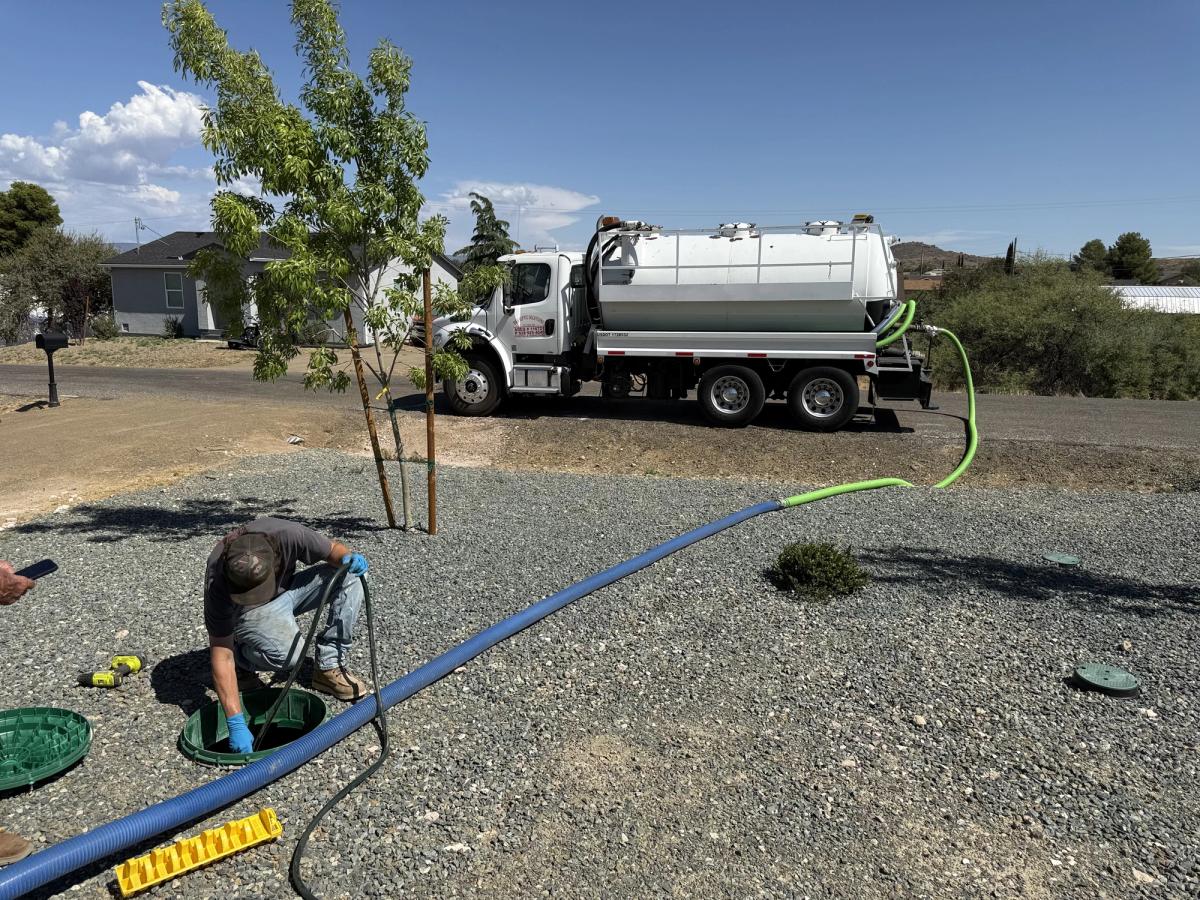
A useful starting point is every three to five years. The U.S. EPA says the average household septic system should be inspected at least every three years and household tanks are typically pumped every three to five years. That range is not a guarantee for a particular property: tank capacity, the number of people using the system, wastewater volume, and the amount of solids can move the date earlier.
A practical pumping-interval starting matrix
The estimates below are rounded from the University of Arizona Cooperative Extension pumping-frequency table. Use them to choose a reasonable planning window, not as a substitute for an inspection. See the University of Arizona septic-tank maintenance guide for the source table and assumptions.
If the tank is about 1,000 gallons
- 2 people: plan around every 5 to 6 years
- 3 people: around every 3 to 4 years
- 4 people: around every 2 to 3 years
- 5 people: around every 2 years
- 6 people: around every 1 to 2 years
If the tank is about 1,500 gallons
- 2 people: the table estimates longer than 5 years
- 3 people: the table estimates longer than 5 years
- 4 people: around every 4 years
- 5 people: around every 3 years
- 6 people: around every 2 to 3 years
If the tank is about 2,000 gallons
- 2 people: the table estimates longer than 5 years
- 3 people: the table estimates longer than 5 years
- 4 people: the table estimates longer than 5 years
- 5 people: around every 4 to 5 years
- 6 people: around every 3 to 4 years
When a table estimate stretches beyond five years, do not simply wait that long without checking the system. Keep the EPA inspection baseline in the plan and let measured sludge and scum levels, the system condition, and prior service records determine whether pumping can safely wait.
What can make the tank fill sooner?
The calendar is only one part of the decision. These conditions can create a shorter pumping interval:
- More full-time occupants or a recent change in household size
- Heavy wastewater use, frequent guests, or a leak that sends extra water through the system
- More solids entering the tank, including frequent garbage-disposal use
- Unknown pumping history or records that do not show the last inspection
- An alternative system with mechanical components that has a more frequent inspection schedule
The tank measurement matters more than a guess
A professional inspection can measure the scum and sludge layers and look at the tank and accessible components. That gives the next service date a property-specific basis. After service, keep the date, tank capacity if confirmed, measured levels, and any repair notes together. A few good records are far more useful than trying to remember whether the tank was pumped four or six years ago.
How to find the tank size in Yavapai County
Do not estimate capacity from the lid, the yard, whether the home is manufactured, or the number of bedrooms alone. Those details do not confirm the installed tank. Start with records instead:
- Check the septic permit, as-built drawing, inspection report, or previous pumping invoice kept with the property.
- Search or request the property wastewater record through Yavapai County Environmental Services using the parcel number or property address.
- If the record is missing or the tank location is uncertain, have the system located and inspected rather than relying on surface clues.
If you cannot confirm the capacity or last pumping date, an inspection now creates a clean baseline. We can locate the tank, check the service access, pump when needed, and leave you with a clearer record for the next interval.
Symptoms override the routine schedule
Do not wait for a calendar date if drains are backing up, multiple fixtures are slow or gurgling, sewage odors are persistent, or wastewater is surfacing near the tank or drainfield. Those signs need prompt attention. Pumping may be part of the solution, but an active symptom can also involve a line, component, or drainfield problem that the schedule alone cannot diagnose.
If the tank is due or the history is unclear, learn what is included with septic pumping service. If the tank still needs to be found, see our tank locating and inspection services.
Primary source: U.S. EPA, How to Care for Your Septic System. Source links reviewed July 9, 2026.